
Pre-Foreclosure in Michigan: What It Means and What You Can Still Do
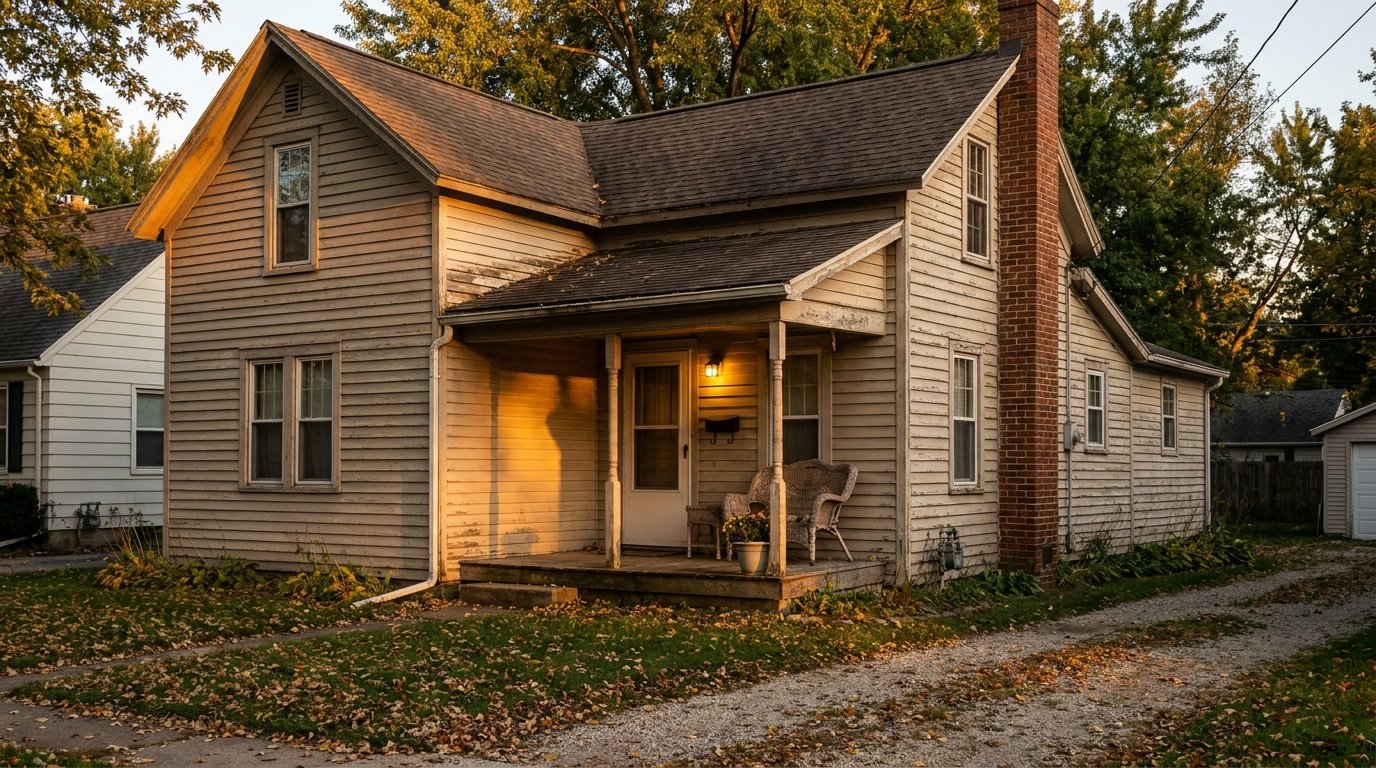
If you have seen the words "pre-foreclosure" on a letter from your servicer, on a real estate site next to your address, or in a phone call from an investor, take a breath. Pre-foreclosure is not the end of anything. In Michigan it is the stretch of time before a sheriff sale ever happens — and it is the stage where homeowners have the most options, the most leverage, and the most control over what happens to their equity.
This guide explains exactly what pre-foreclosure means in Michigan, how long it usually lasts, what shows up publicly during it, and the moves that are still fully available to you while you are in it.
What "pre-foreclosure" actually means
Pre-foreclosure is an informal term, not a legal status. It describes the period that starts when a mortgage goes into default — usually after a few missed payments — and ends when the property is sold at a sheriff sale. During that entire window, you are still the owner of record. You hold the title, you live in the home, and you can sell it, refinance it, or bring the loan current.
People confuse pre-foreclosure with foreclosure because the paperwork feels final. It isn't. A default notice is your servicer telling you the clock has started, not that the outcome is decided. The Michigan foreclosure process gives homeowners a long runway on purpose, and most of that runway sits inside pre-foreclosure.
The Michigan pre-foreclosure timeline
Here is the sequence most Michigan homeowners with a standard mortgage go through:
- Day 1–35 after a missed payment: late fees, collection calls, and a delinquency notice. Nothing has been filed.
- Around day 36: under federal servicing rules (12 CFR 1024.39), your servicer must make live contact about loss-mitigation options, and send written notice of those options by about day 45.
- Day 120: the earliest a servicer may make the first legal filing or notice to start foreclosure on most mortgages (12 CFR 1024.41(f)). Roughly four months of pre-foreclosure are built in before anything public happens.
- Publication: Michigan mostly uses foreclosure by advertisement (MCL 600.3204). Notice of the sale is published once a week for four successive weeks in a county newspaper, and a copy must be posted on the property within 15 days of the first publication (MCL 600.3208).
- Sale: the sheriff sale typically happens roughly 30 or more days after that first publication — in practice many Michigan files run six to nine months from first missed payment to sale date.
One more protection worth knowing: if you submit a complete loss-mitigation application more than 37 days before a scheduled sale, the servicer generally cannot proceed to the sale while it is reviewing (12 CFR 1024.41(g), the anti "dual tracking" rule). Complete is the operative word — missing documents restart the problem.
Why your name shows up on pre-foreclosure lists
Once notice is published or a lis pendens is recorded, that record is public. Data companies scrape it, real estate sites display it, and investors mail you. That is why the letters and door knocks start. It can feel like the whole world knows your business.
What it does not mean: it does not mean the sale is imminent, it does not mean you must accept a lowball offer, and it does not mean you have lost control of your home. You are still the owner, and any sale during this period is a sale you negotiate on your terms.
What you can still do during pre-foreclosure
This is the stage with the widest menu of choices. The main paths:
- Reinstate. Pay the past-due amount plus fees and the loan returns to normal. Ask your servicer for a written reinstatement quote with a good-through date.
- Work it out with the servicer. Repayment plans, forbearance, or a modification can restructure the arrears. We compare these honestly in our guide to foreclosure alternatives in Michigan.
- Use the equity you already have. If your home is worth substantially more than what is owed, that equity is an asset you can borrow against or convert — not something that has to disappear at auction.
- Sell on your terms. Selling while you are still the owner of record usually preserves far more money than letting the process run. Our walkthrough on selling your house before foreclosure covers timing, transfer taxes, and payoff mechanics.
- Talk to a HUD-approved housing counselor. It is free. HUD's hotline is 800-569-4287, and MSHDA lists Michigan counselors at michigan.gov/mshda. Never pay an upfront fee for foreclosure-prevention help — Michigan's Credit Services Protection Act prohibits it.
Pre-foreclosure vs. foreclosure vs. redemption
| Stage | Who owns the home | What is still possible |
|---|---|---|
| Pre-foreclosure | You | Reinstate, modify, borrow against equity, sell freely, refinance |
| Sheriff sale day | You, until the gavel | Pay off or reinstate up to the sale; sale proceeds recorded on a sheriff's deed |
| Redemption period | Still you — title vests in the buyer only when redemption expires (MCL 600.3236) | Redeem by paying the sale amount plus statutory costs; usually 6 months, sometimes 12 or 30 days (MCL 600.3240) |
Even after a sale you have runway, which we detail in our guide to the Michigan sheriff sale and redemption period. But every option gets simpler, cheaper, and less rushed the earlier you act — which is precisely why pre-foreclosure is such a valuable stage.
The practical first week
If you are in pre-foreclosure right now, here is a calm order of operations:
- Open every piece of mail from the servicer and put the dates on one page.
- Call the servicer's loss-mitigation department and request a written reinstatement quote and payoff figure.
- Estimate your equity: realistic market value minus payoff and any liens.
- Book a free HUD-approved counseling session.
- Decide which outcome you actually want — keep the home, or exit with your equity intact — and choose the path that serves it.
Homeowners who write down the dates and the numbers almost always find they had more room than they thought.
Sitting on equity and a deadline?
All In Horizon works with Michigan homeowners in foreclosure whose homes hold real equity. No credit checks, no income verification — the property does the qualifying. See if your home qualifies and get a straight answer in a few days, not a few months.
All In Horizon provides asset-based bridge financing. Loan availability, terms, and timing depend on the property, equity position, and exit plan, and are subject to underwriting. This article is educational and is not financial, legal, or tax advice.